Maintenance and Support
Kept patched, monitored and current.
Software that nobody maintains stops being an asset within a year. We keep applications up to date, secure and performing, so the product you paid for is still the product your users get.
The work is unglamorous and steady. Bug fixes, performance optimisation, security updates, operating system updates, and the monitoring of every package, framework and dependency for the vulnerabilities and breaking changes that arrive whether or not you are looking.
Monitoring runs alongside it, so problems are found from a dashboard rather than from a support call. Where something does break, it is handled by the engineers who know the system rather than a queue that starts from the beginning every time.
The agreement flexes with you. As the business changes, the work changes: small improvements, integrations, capacity work and the small requests that never fit a project.

What is included.
The work this service is scoped around. Anything outside it is agreed in writing before we start.
Bug fixes and defect support
Reported defects reproduced, fixed and released, against an agreed response time.
Performance optimisation
Query, cache and rendering work where the product has become slower than it should be.
Security updates and patching
Vulnerabilities in the stack assessed, scheduled and applied.
Operating system updates
Kernel, runtime and package updates on a cycle that has been tested first.
Package, framework and dependency monitoring
Every dependency watched for advisories, deprecations and version drift.
Proactive monitoring and alerting
Availability, error rates, certificates and capacity watched before users notice.
Backup and restore checks
Backups taken, and restores tested rather than assumed.
Support desk with a named contact
A person who knows the system answers, not a ticket that starts over each time.
Monthly service reporting
Work done, incidents handled, updates applied and what still needs attention.
Small changes and improvements
The requests that do not justify a project, delivered inside the agreement.
Scope it, price it, decide.
Tell us what you are trying to do. We come back with the options, what each one costs and the order we would do the work in.
- PatchedSecurity and operating system updates on a cycle
- WatchedEvery package, framework and dependency monitored
- NamedOne contact who knows your system
- MonthlyA written report of work, incidents and risk
What an agreement covers.
The steady work that keeps software worth running, plus the small changes that never fit a project.
Fix
Defects reproduced, corrected and released against an agreed response time.
Update
Security patches, operating system updates and the dependency upgrades behind them.
Watch
Availability, errors, certificates and capacity monitored with alerting.
Improve
Performance work and the small changes that make the system easier to live with.
Protect
Backups taken on schedule and restores tested before they are needed.
Report
A monthly record of what was done, what failed and what is still at risk.
How the update cycle works.
Nothing is patched straight into production on the day it is released.
- Advisory watch
- Every dependency checked against security advisories and release notes as they land.
- Risk decision
- What the update fixes weighed against what it can break, and the call recorded.
- Staging first
- Applied and tested on a copy of the system, with the test suite as the gate.
- Scheduled release
- Deployed in a window you know about, with a rollback path ready.
- Verification
- Health checks, error rates and the affected journeys checked after the release.
How a support month runs.
Predictable, and visible without asking.
- 01
Baseline
What runs, where it runs and what depends on what, written down once.
- 02
Monitor
Dashboards and alerts on the things that break first when something is wrong.
- 03
Maintain
Patches, updates, dependency upgrades and the fixes raised during the month.
- 04
Report
What was done, what is pending, and the risk you are carrying into next month.
Keeping it running.

Problems found on a dashboard rather than in a support call
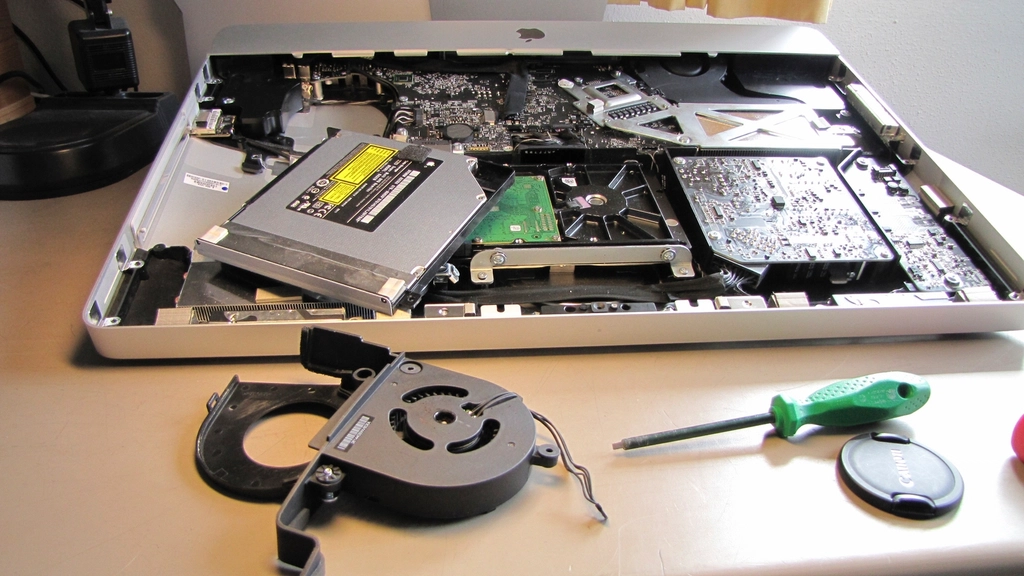
Hardware attended to before it fails, not after

Updates staged and tested before they reach production
Questions we are asked.
Can you maintain software you did not build?
Yes. We start with a review of the code, the dependencies and how it is deployed, and we tell you plainly if something in it is going to be a problem.
What is not covered by the agreement?
New features of any size worth planning. The rule of thumb is that anything needing a specification is a project, and anything a developer can finish in a day or two is maintenance.
How do you charge?
A monthly fee for a scope agreed in writing, reviewed as the system and the business change.
Also under Operations.
Tell us what you need to build, protect or automate.
A 30 minute call with an engineer, not a sales script. You leave with a clear next step, whether or not we work together.